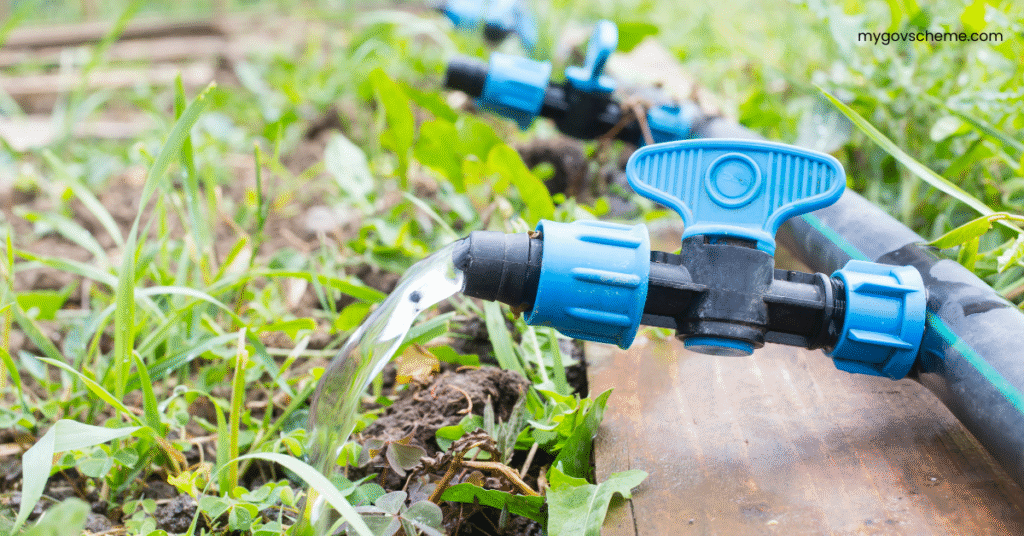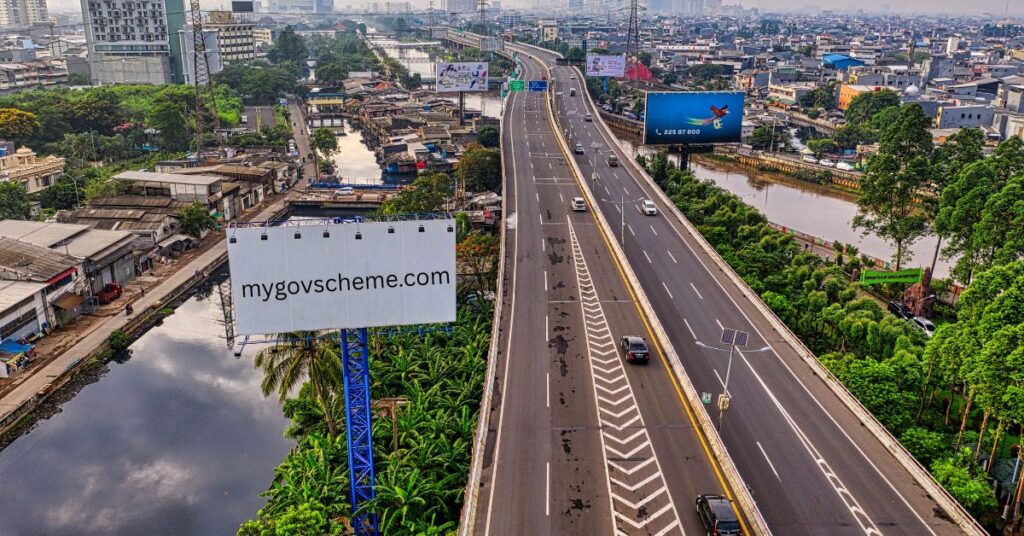
The Atal Mission for Rejuvenation and Urban Transformation (AMRUT) is one of India’s most important urban development missions 🏙️. Launched by the Ministry of Housing and Urban Affairs (MoHUA), this mission focuses on improving the quality of life in cities by ensuring access to clean water, better sewerage systems, green public spaces, and sustainable transport options.
Let’s explore every detail of this transformative scheme, including its objectives, benefits, coverage, components, and FAQs, in easy-to-understand language. 🌿
🌟 Objective of AMRUT Mission
The main purpose of the Atal Mission for Rejuvenation and Urban Transformation (AMRUT) is to create cities that offer basic amenities and a better standard of living for all citizens.
The mission aims to:
✅ Ensure every household has access to tap water with an assured supply.
✅ Provide proper sewerage connections to all homes.
✅ Increase green spaces such as parks and public gardens.
✅ Reduce pollution by promoting public transport and facilities for walking and cycling. 🚶♀️🚲
These outcomes are highly valued by citizens, especially women, as they directly impact health, safety, and convenience. The mission also uses Service Level Benchmarks (SLBs) to maintain quality standards across all projects.
🏗️ Thrust Areas of AMRUT Mission
The mission focuses on improving essential urban infrastructure under five major thrust areas:
- 💧 Water Supply – Ensuring universal access to safe and clean water.
- 🚽 Sewerage and Septage Management – Managing sewage and waste effectively.
- 🌊 Storm Water Drainage – Reducing city flooding by developing better drainage systems.
- 🚴 Urban Transport – Encouraging non-motorized transport and public transit systems.
- 🌳 Green Spaces/Parks – Developing eco-friendly, child-friendly parks and green areas.
Each of these areas plays a vital role in making cities sustainable, livable, and resilient.
🗺️ Coverage – Cities under AMRUT
A total of 500 cities across India selected under the AMRUT Mission. 🏘️
The categories of these cities include:
🏙️ All cities and towns with a population of over 1 lakh (as per Census 2011).
🏛️ All state and union territory capitals not covered above.
🏰 All Heritage Cities under the HRIDAY scheme.
🌊 Thirteen cities located on main river stems with populations between 75,000 and 1 lakh.
🏔️ Ten cities from hill states, islands, and tourist destinations (one from each state).
These cities have been carefully selected to ensure balanced urban growth across different regions of India.
🌈 Major Benefits of AMRUT Mission
The AMRUT Mission aims to make Indian cities more inclusive, safe, and sustainable. Here are the key benefits citizens will enjoy:
💧 Water Supply Improvement
- Construction and augmentation of water treatment plants and supply systems.
- Universal metering to ensure accountability and water conservation.
- Rehabilitation of old water supply systems and treatment plants.
- Rejuvenation of water bodies for drinking water and groundwater recharge.
- Special arrangements for hill and coastal areas facing water quality issues (like arsenic or fluoride).
🚽 Sewerage and Septage Management
- Development of networked underground sewerage systems.
- Recycling and reuse of wastewater for non-drinking purposes.
- Decentralized treatment plants to manage local sewage efficiently.
- Faecal sludge management using mechanical and biological cleaning systems.
🌊 Storm Water Drainage
- Construction and modernization of storm water drains to prevent flooding during monsoon.
- Better drainage connectivity to reduce waterlogging in urban areas.
🚌 Urban Transport and Mobility
- Development of footpaths, walkways, and bicycle tracks for non-motorized transport. 🚴♂️
- Introduction of eco-friendly buses and Bus Rapid Transit Systems (BRTS).
- Development of multi-level parking facilities.
- Support for ferry services on inland waterways.
🌳 Green Spaces and Parks
- Creation of eco-friendly, child-friendly green parks.
- Beautification projects to enhance urban aesthetics.
- Focus on urban greenery to improve air quality and reduce pollution. 🌼
⚙️ Reforms Management and Support
To make AMRUT more effective, the government has introduced several reforms, such as:
- Building support structures and funding mechanisms for reform implementation.
- Setting up independent agencies to monitor reforms.
- Offering incentives to states and cities that achieve reform targets.
Each year, 10% of the annual AMRUT budget is reserved as a reform incentive for performing states and ULBs (Urban Local Bodies). 🏅
🎓 Capacity Building Initiatives
Capacity building is one of the most vital parts of the AMRUT Mission. 💪
It includes:
- Training and skill development for individuals and institutions.
- Support for urban planning, project management, and monitoring.
- Extending capacity building to non-AMRUT cities in later stages.
- Realignment of the Comprehensive Capacity Building Programme (CCBP) with AMRUT objectives.
The goal is to create a strong team of trained professionals who can efficiently manage urban infrastructure and projects. 👷♀️👩💻
🚫 Inadmissible Components under AMRUT
Certain expenditures are not allowed under this mission. These include:
❌ Purchase of land for projects.
❌ Staff salaries of state governments or ULBs.
❌ Expenditure on power, telecom, health, or education.
❌ Wage employment programs and staff components.
This ensures that the mission’s funds are use strictly for infrastructure development and reforms.
🏢 Application Process – How AMRUT Works
The AMRUT Mission does not require individual applications from citizens. 📝
Instead, Urban Local Bodies (ULBs) implement the projects directly.
If a ULB lacks capacity, the State Government can assign specialized agencies through a tripartite MoU among the State Government, the agency, and the Municipality.
Key points:
- The projects are planned and executed by ULBs.
- State Annual Action Plans (SAAPs) are prepare for project approval.
- Maintenance and upkeep of created assets remain the responsibility of the ULB and State.
This structure ensures transparency and accountability at every level.
📄 Documents Required
There are no specific documents required from citizens under the AMRUT Mission since it is not a direct beneficiary scheme. The projects are implemented at the city and state level.
❓ Frequently Asked Questions (FAQs)
1. 🏙️ Is my city included in the 500 AMRUT cities?
You can check the complete list of AMRUT cities here:
👉 http://amrut.gov.in/content/citiescovered_map.php
2. 🧑💼 Can ULBs hire consultants for project preparation?
Yes, ULBs may hire consultants if required, although MoHUA provides technical support and guidance for city-level planning.
3. 💰 Is there any limit to the project cost?
No, there is no fixed limit. However, ULBs must prioritize national mission goals and ensure universal water and sewerage coverage.
4. 🏗️ How will ULBs manage their 30% share in AMRUT funding?
While ULBs are expected to share 30%, the State Government contributes a minimum of 20%, and may contribute more if needed. The exact share is decided in the State Annual Action Plan (SAAP).
5. 🚰 What projects get top priority?
Water supply projects are given the high priority, follow by sewerage connections to all households.
6. 🔧 How is pipe replacement decided?
Pipe replacement is approved only if it reduces non-revenue water (NRW) or improves sewerage collection efficiency.
7. 📊 Is there a separate budget for city and state mission management units?
Yes. About 10% of the annual mission budget is reserve as an incentive for reforms and can use in AMRUT cities.
8. 🌍 Can incentives or capacity building extended to non-AMRUT cities?
Reform incentives apply only to AMRUT cities. However, capacity building can gradually extend to other ULBs across India.
🌏 Impact of AMRUT Mission
Since its launch, the AMRUT Mission has helped hundreds of cities develop better water systems, sanitation facilities, and green environments. 🏡
It aligns with other flagship schemes like:
- Smart Cities Mission 🏙️
- Swachh Bharat Mission (Urban) 🚮
- Pradhan Mantri Awas Yojana (Urban) 🏠
Together, these programs are transforming India’s urban landscape and contributing to the vision of a New Urban India. 🇮🇳
🔗 Internal Linking Suggestions for MyGovScheme.com
Include internal links to enhance SEO and user engagement:
- Smart Cities Mission 2025 – Full Details
- Swachh Bharat Mission (Urban) 2.0
- Pradhan Mantri Awas Yojana (Urban) 2025
- National Urban Livelihoods Mission (NULM)
🌺 Conclusion
The Atal Mission for Rejuvenation and Urban Transformation (AMRUT) is a visionary step towards making Indian cities cleaner, greener, and more livable. 🌿
By ensuring tap water connections, efficient sewerage, improved transport, and vibrant green spaces, AMRUT is laying the foundation for sustainable urban development.
As India continues to urbanize rapidly, missions like AMRUT will play a key role in creating cities that truly work for everyone — efficient, inclusive, and environmentally responsible. 🌏✨
📢 Stay Updated
For the latest updates on research fellowships, scholarships, and government schemes, keep visiting 👉 mygovscheme.com
👉Visit MyGovScheme Youtube Channel.